16 October 2026
19 October 2026
Kuwait is establishing a nationwide anti-drone shield, becoming the first Gulf nation to do so. The government signed a $700 million contract with Australia-based defense company Electro Optic Systems and its London-based subsidiary MARSS.
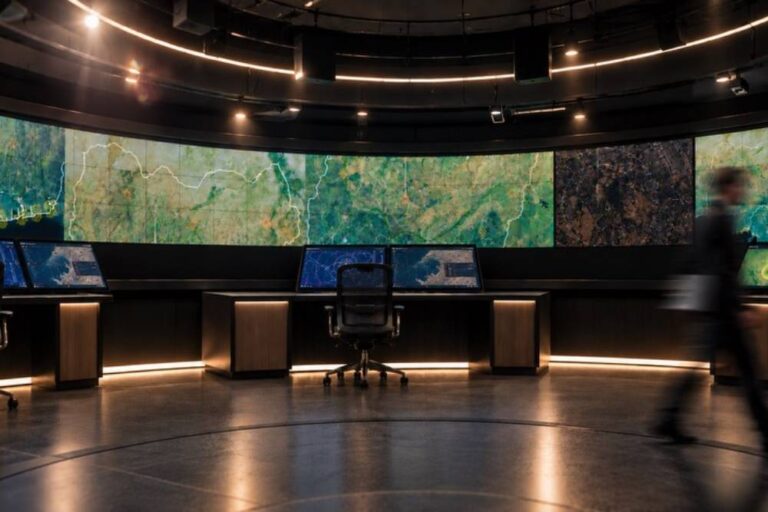
Named Nation Shield, the network detects and destroys hostile unmanned systems intruding into Kuwaiti territory. These systems include aerial drones like Iranian Shaheds, unmanned maritime vessels, and underwater drones. According to EOS CEO Dr. Andreas Schwer, the battle-proven system operates like a cellular network using AI-coded control sensors. The adaptable, hardware-agnostic network can integrate various weapons, sensors, and effectors into a single framework.
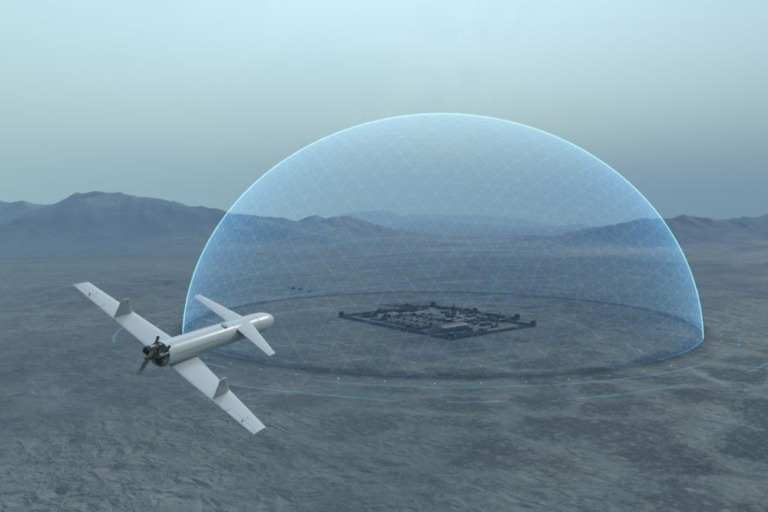
Kuwait will create a nationwide anti-drone shield, becoming the first Gulf country to set up a drone defense dome to protect its entire territory.
The Kuwaiti government signed a contract valued at $486.99M USD with Australia-based defense company Electro Optic Systems and its subsidiary MARSS, headquartered in London, to create a network called Nation Shield to detect and destroy hostile unmanned systems intruding across its borders.
The system combines an array of different sensors including sonar, radar and electro-optical sensors with weapons systems to take down drones using both “hard kill” and “soft kill” methods – that is, destroying drones directly using interceptors and munitions, plus with electromagnetic energy weapons such as lasers.
Nation Shield will protect not only against unmanned aircraft systems, such as Iranian Shahed drones, but also unmanned maritime vessels, including small surface ships and underwater drones, Dr. Andreas Schwer, Managing Director and CEO of EOS, told Forbes in an exclusive interview.
“Our system is already battle proven,” Schwer said, adding that EOS currently has 70 installations in the Middle East that are shooting down drones and rockets on a daily basis.
Johannes Pinl, CEO of MARSS, said in a release that the company would set up the system in Kuwait within 24 months, incorporating British engineering and creating jobs in the United Kingdom.
“Countering drones and aerial threats is not about any single system. It is about an intelligent, layered architecture that detects, decides and defeats within seconds, and MARSS has built exactly that,” Pinl said.
The MARSS NiDAR network and EOS systems are already being used to protect royal palaces, harbors, and power stations, Schwer disclosed.
“It’s like a cellular network,” Schwer said. “Those cells are connected to nationwide control sensors."
The MARSS system uses a C2 network coded with artificial intelligence that is specifically attuned to spot intruding drones.
It is hardware agnostic, meaning that it is highly adaptable and can integrate different weapons systems and sensors into a single framework.
“The MARSS NiDAR software has integrated more than 160 sensors and effectors,” explained Schwer. "It can integrate any kind of sensors within two business days.”
Kuwait’s move to create a national infrastructure to prevent and intercept drone attacks comes amid a sustained aerial bombardment by Iran against Gulf nations throughout the past year alongside Iranian efforts to hamstring global oil supplies transiting the Strait of Hormuz.
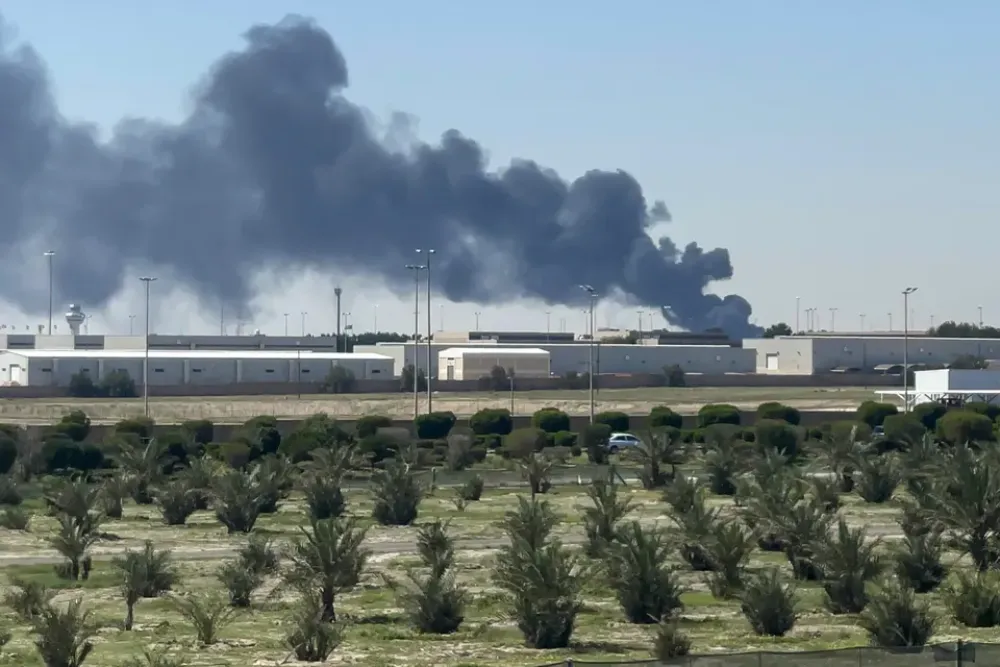
In June, Kuwait suffered an attack on its international airport by an Iranian drone that killed one person and injured 60, prompting the expulsion of two Iranian diplomats.
The nation’s decision to build a comprehensive anti-drone shield to protect civilians and infrastructure represents not only the gravity of the situation facing Kuwait but a profound shift in the Gulf with regard to security and defense posture.
The move is also transformative for EOS, according to Schwer.
“This is a step for EOS from being a component and effector supplier to being a prime defense contractor,” he said. “To the best of my knowledge, it’s the first time in history that companies have been bidding to set up a country-wide anti-drone system."
The Nation Shield project sets a new precedent for the Gulf as threats from drone warfare continue to increase and diversify. While the dome is the first of its kind in the region, it almost certainly won’t be the last.
This article by Zita Ballinger Fletcher first appeared on forbes.com: image credit forbes.com.